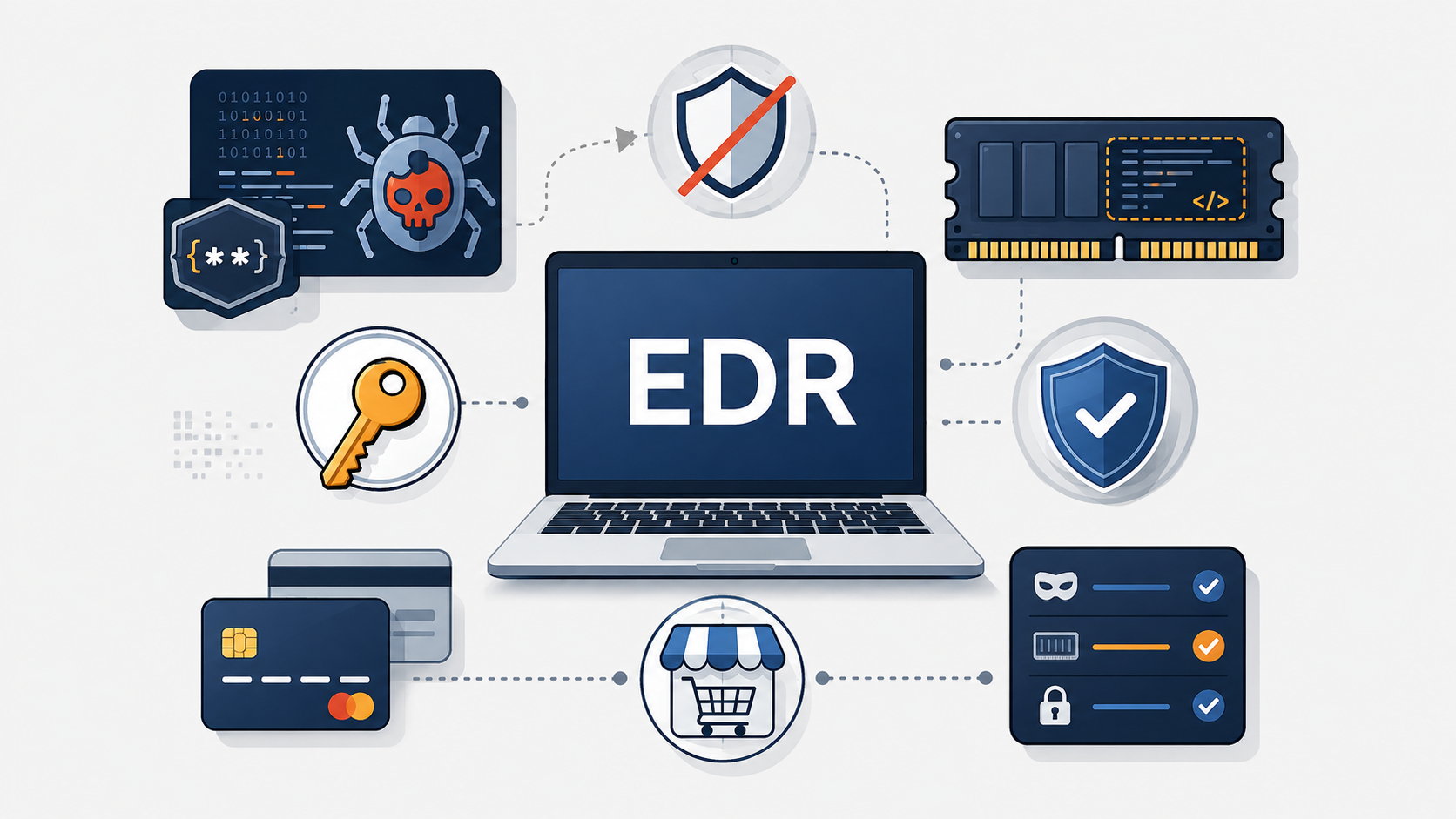

A growing underground market is turning mature malware-evasion techniques into subscription products.
An analysis of 24 active crypting-service vendors shows that customers can now buy payload obfuscation, in-memory execution, anti-analysis controls, process injection, persistence, and rapid “re-crypting” as packaged services rather than develop them internally.
Crypting traditionally refers to encrypting or obfuscating a customer-supplied malicious executable to reduce static antivirus detection.
The current market is far broader. Higher-tier vendors advertise loaders that decrypt payloads only at runtime, manually map Portable Executable files into memory, inject code into other processes, and alter behavior when a virtual machine, debugger, sandbox, or security product is detected.
This evolution makes crypting less a standalone packing service and more an operational layer for deploying malware at scale.
The vendors reviewed primarily target Windows environments, supporting formats such as EXE, DLL, MSI, LNK, BAT, DOC, PDF, and, in some cases, APK.
Their marketing commonly promises “fully undetectable” or bypass-ready payloads against Microsoft Defender, SmartScreen, and commercial AV and EDR products.
Such claims should be treated cautiously: advertised detection scores and multi-AV scans are not substitutes for independent validation, particularly because endpoint products rely increasingly on behavioral, memory, and cloud telemetry rather than file signatures alone.
The commercial model mirrors legitimate software-as-a-service operations. Sellers compete on subscription tiers, dedicated or shared “stubs,” turnaround time for clean builds, customer support, discounts, and partner relationships with malware developers.
A shared stub typically reduces costs but exposes multiple customers to the same wrapper and a potentially shared detection event.
A private stub costs more but gives an operator a more distinct payload wrapper and faster re-crypting support after detection.
One established vendor, mrlapis, markets VIP Crypt as a subscription service with automated re-encryption and file delivery infrastructure.
Insikt Group analyzed 24 threat actors advertising crypting services and products within the past year and identified a market that is competitive, reputation-driven, and heavily focused on Windows payloads.
24 Malware Crypter Sellers
Recent sample analysis reportedly found a staged Delphi loader that reconstructs encrypted components, then manually maps the embedded payload into memory rather than relying on Windows’ normal file-backed image loader.
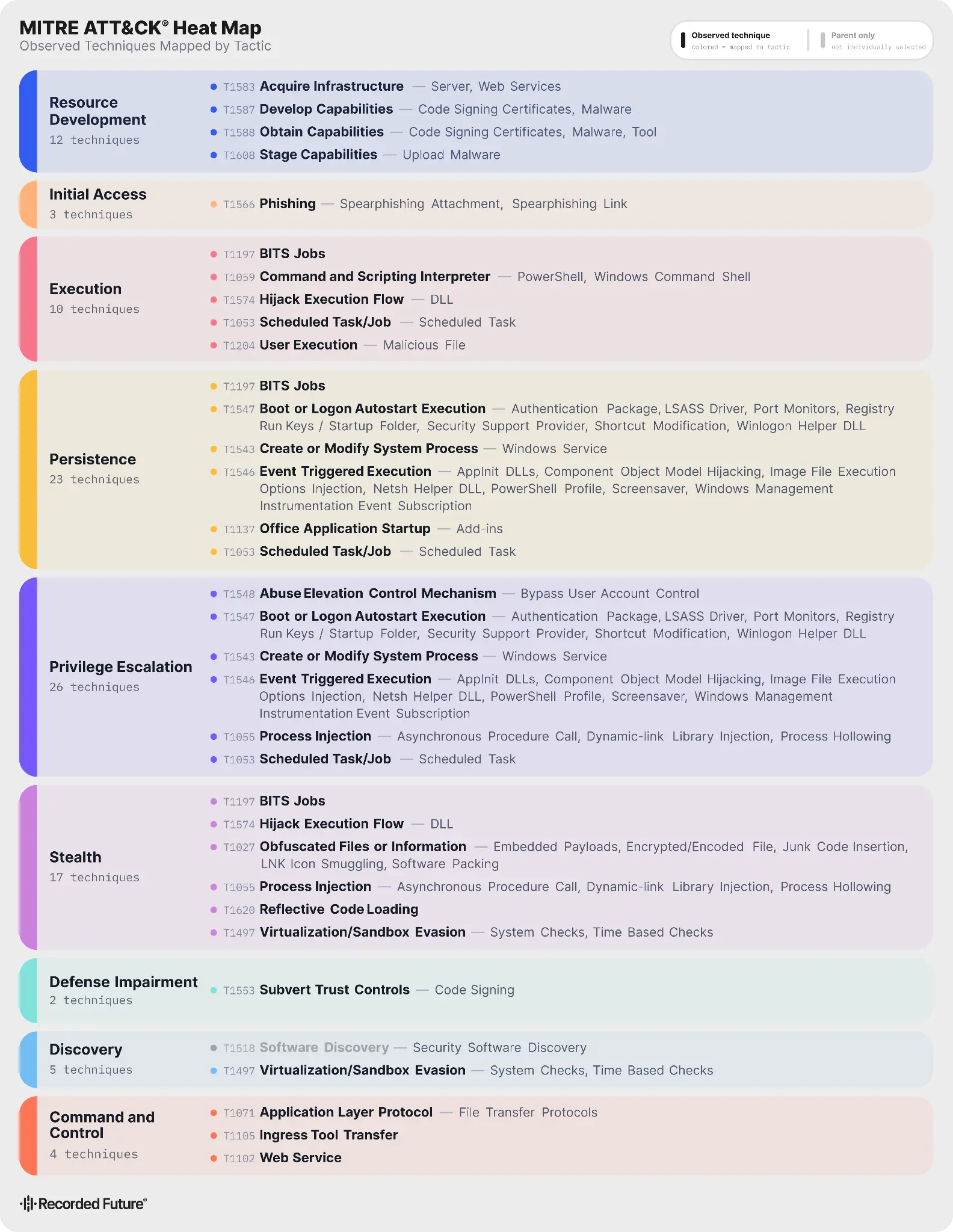
Manual PE mapping can reduce visibility from controls focused on conventional executable loading, although behavior around memory allocation, import resolution, thread execution, and unusual parent-child relationships remains detectable.
ASMCrypt, linked to the seller o1oo1, is advertised as a builder for HijackLoader-style packages and includes configurable anti-VM checks, system profiling, Windows Defender exclusion attempts, signed-application abuse, DLL sideloading, staged execution, and process injection.
Public reporting has associated HijackLoader with API unhooking, direct or indirect syscalls, anti-debugging checks, and configurable injection methods features designed to complicate both automated and analyst-led investigation.
The significance of this ecosystem is not that its individual techniques are new. Reflective loading, process hollowing, encrypted payload staging, API unhooking, and syscall-based execution have been documented for years.
The key shift is accessibility: criminal operators can rent a service that operationalizes these techniques, receive replacement builds after detections, and focus on initial access, credential theft, ransomware deployment, or data theft.
For defenders, endpoint protection should not be treated as a standalone answer.
Detection engineering should prioritize correlated behaviors: unusual child-process creation, DLL sideloading access from user-writable locations, suspicious remote-memory writes, thread-context modification, executable memory transitions, anomalous registry or scheduled-task persistence, and unexpected security-control tampering.
In-memory loaders still need to allocate memory, resolve APIs, create threads, inject into processes, or establish network activity; these are opportunities for telemetry-driven detection.
Organizations should also validate whether their EDR captures suspicious API sequences, process-injection indicators, unsigned or mismatched DLL loads, and execution from ProgramData or temporary directories.
Static signatures remain useful for triage, but crypting services are built specifically to invalidate them quickly. Behavioral correlation, memory-aware investigation, and rapid sample triage are therefore becoming the decisive controls against this increasingly commercialized evasion market.
[Live Webinar] Join Elastic & UnderDefense to learn how small security teams can unify AI visibility and agentic response into one operating model. -> Register Now


