

A cybercriminal operating under the alias ByteToBreach has emerged as a prominent figure in the underground data trade, orchestrating a series of high-profile breaches targeting critical sectors worldwide.
Active since at least June 2025, ByteToBreach has leveraged a blend of technical proficiency, aggressive self-promotion, and cross-platform operations to become one of the most publicized threat actors in recent months.
ByteToBreach’s operations have impacted a broad range of targets, including airlines, financial institutions, government agencies, and healthcare providers.
High-value datasets such as airline passenger manifests, banking employee records, internal government documents, and healthcare databases have been sold or leaked on underground forums, messaging platforms like Telegram, and even a public WordPress site masquerading as a legitimate “Pentesting Ltd” service.
The scope is truly global, with confirmed breaches affecting entities in Ukraine, Kazakhstan, Cyprus, Poland, Chile, Uzbekistan, the United States, and others.
The threat actor’s leaks are not empty claims: multiple incidents have been corroborated by the victim organizations or contain technical artifacts that confirm their authenticity.
For example, a recent breach involving Uzbekistan Airlines included substantial volumes of real passport data, while a compromised Polish bank acknowledged the legitimacy of leaked employee data.
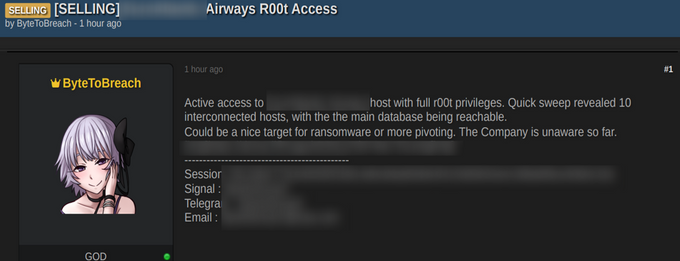
These exposures sharply elevate the risks of identity theft, fraud, supply-chain attacks, and public trust erosion for affected organizations and their customers.
Methods, Tradecraft, and Criminal Branding
According to investigations, ByteToBreach employs a variety of intrusion techniques.
The cybercriminal exploits known vulnerabilities in cloud and corporate infrastructure, reuses credentials harvested through infostealers and phishing, and leverages brute force or misconfiguration-based access to infiltrate targets.
Once a foothold is gained, ByteToBreach focuses on exfiltrating sensitive databases, which are then offered for sale or leaked to prove their authenticity.
In an unusual move for cybercriminals, ByteToBreach has taken a strong marketing-centric approach building a professional-looking website to advertise criminal “services” and posting banners with slogans such as “Let Me Harm Your Data” and “Industry-Leading Threat Actor”.
The site includes fabricated customer satisfaction statistics and explicit warnings not to contact unless serious about buying stolen data, further blurring the lines between underground commerce and open advertising.
Investigations reveal ByteToBreach’s use of multiple aliases and communication channels, including encrypted email providers (ProtonMail, Tuta, Gmail), Telegram handles, Pastebin, and dark web forums like DarkForums and Dread.
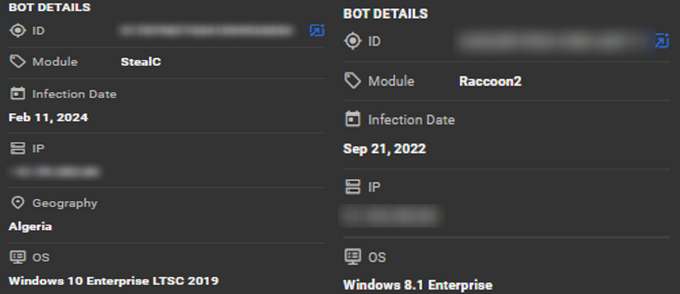
An analysis of associated infostealer-infected machines (primarily sourced from Algeria) uncovered reused accounts, cross-platform handles, and links to secondary criminal profiles.
An Evolving and Opportunistic Threat Actor
Despite occasional claims of contacting organizations to “warn” them of breaches asserting that “innocent people are the real victims” ByteToBreach’s actions have resulted in significant harm, with attackers demanding accountability from companies while profiting from exposure and access to stolen data.
ByteToBreach exemplifies a new breed of cybercriminal, uniting technical skill, audacity, and marketing savvy.
The actor’s willingness to operate openly, sell data to the highest bidder, and target sectors that yield maximum impact underscores the ongoing risk to global digital infrastructure.
Organizations worldwide are urged to bolster their security postures and monitor underground ecosystems for emerging threats like ByteToBreach, as the consequences of such breaches extend far beyond immediate financial loss, potentially fueling future cyberattacks and undermining digital trust at scale.
Follow us on Google News, LinkedIn, and X to Get Instant Updates and Set GBH as a Preferred Source in Google.


