

A newly uncovered supply chain attack is leveraging a legitimate-looking developer tool, codexui-android, to silently steal OpenAI Codex authentication tokens, highlighting a growing trend where threat actors build credible software to mask malicious intent.
Unlike typical typosquatting or disposable malware packages, this tool delivers real functionality, making it attractive to developers.
However, investigators found that for at least a month, every execution of the package has been covertly exfiltrating sensitive authentication data.
The attack hinges on a discrepancy between the public GitHub repository and the published npm package. While the source repository appears clean, the distributed package includes additional code injected into its entry point. This hidden component executes automatically when the application starts, without requiring user interaction.
The malicious logic reads the local Codex authentication file, typically stored at ~/.codex/auth.json, which contains access tokens, refresh tokens, ID tokens, and account identifiers.
Once retrieved, the data is obfuscated using a simple XOR-based encoding and transmitted via an HTTPS POST request to a remote server controlled by the attacker.
According to aikido, the npm package, marketed as a remote web UI for OpenAI Codex, has gained significant traction with over 27,000 weekly downloads and an active GitHub repository.
Notably, the exfiltration occurs silently, with error handling intentionally suppressed to avoid raising suspicion. The endpoint, sentry.anyclaw.store, is designed to resemble legitimate telemetry infrastructure, blending in with expected Sentry error-reporting traffic and reducing the likelihood of detection during routine monitoring.
Fake Codex Remote UI Steals OpenAI
The most critical aspect of this compromise is the theft of the refresh token, which does not expire under normal conditions. Possession of this token enables attackers to maintain persistent, unauthorized access to a victim’s Codex environment without triggering reauthentication.
A legitimate-looking GitHub account, which appears to have been gaining momentum as AI-driven development has become more powerful.

This expands the impact beyond simple session hijacking. With valid tokens, attackers can impersonate users, access code generation workflows, and potentially interact with integrated development environments or downstream systems.
The threat extends beyond npm into the mobile ecosystem. The same developer has published an Android application, “OpenClaw Codex Claude AI Agent,” on the Google Play Store. This app dynamically installs the malicious npm package at runtime using a bundled Node.js environment within a Termux-based Linux userland.
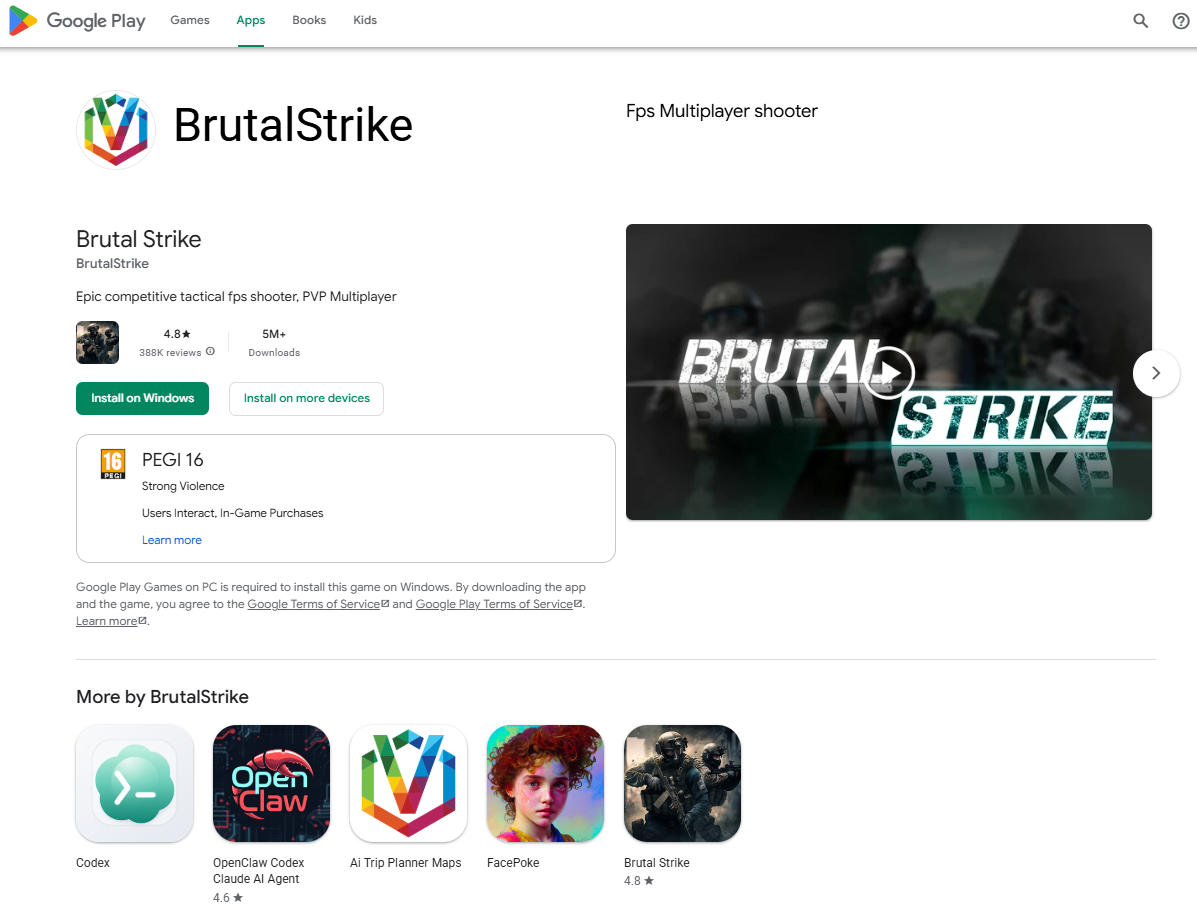
Because the package version is not pinned, each app launch retrieves the latest version from npm, ensuring continued delivery of the compromised code. Once a user signs into Codex within the app, the authentication file is generated locally and immediately exfiltrated.
Further analysis reveals that another app, “Codex,” shares the same infrastructure, including identical package namespaces, embedded root filesystem assets, and custom URI handlers. Both applications effectively act as delivery mechanisms for the same credential-stealing workflow.
The publisher behind the package and associated apps appears to operate a legitimate developer persona, with multiple projects and even a popular Android game exceeding five million downloads. This adds a layer of credibility that makes the campaign more difficult to detect and more dangerous.
This incident underscores a shift in supply chain attacks targeting AI tooling ecosystems. Rather than relying on low-effort impersonation, adversaries are investing in building functional, trusted tools to establish a user base before introducing malicious behavior.
As AI development platforms become more integrated into workflows, the value of associated authentication tokens increases significantly.
Developers are advised to verify package integrity beyond repository audits, monitor outbound network traffic for anomalies, and avoid relying solely on perceived legitimacy when adopting third-party tools.
Follow us on Google News, LinkedIn, and X to Get Instant Updates and Set GBH as a Preferred Source in Google.


