

Zimperium zLabs has uncovered a highly advanced iteration of the GodFather Android banking malware, which employs a groundbreaking on-device virtualization technique to compromise legitimate mobile banking and cryptocurrency applications.
Unlike traditional overlay attacks that merely mimic login screens, this malware creates a fully isolated virtual environment on the victim’s device, enabling attackers to monitor and manipulate user interactions in real time.
This marks a significant evolution in mobile threat capabilities, rendering even vigilant users defenseless against its deception, as the legitimate app itself becomes a tool for espionage and theft.
A Sophisticated Leap in Mobile Threats
At the heart of this attack lies a malicious “host” application that embeds a virtualization framework.
This host downloads and runs a copy of the targeted banking or crypto app within a controlled sandbox, redirecting users to this virtualized instance whenever they launch the app.
By intercepting every tap and data entry, the malware captures credentials and sensitive information with precision.
Furthermore, it leverages hooking frameworks like Xposed to modify app behavior, bypassing security mechanisms such as root detection.
This virtualization grants attackers complete visibility into the app’s processes, allowing remote control and real-time data theft.
Currently targeting nearly 500 applications worldwide, with a specific focus on a dozen Turkish financial institutions, GodFather’s reach and sophistication surpass earlier threats like FjordPhantom.
Unprecedented Control Through Virtualization
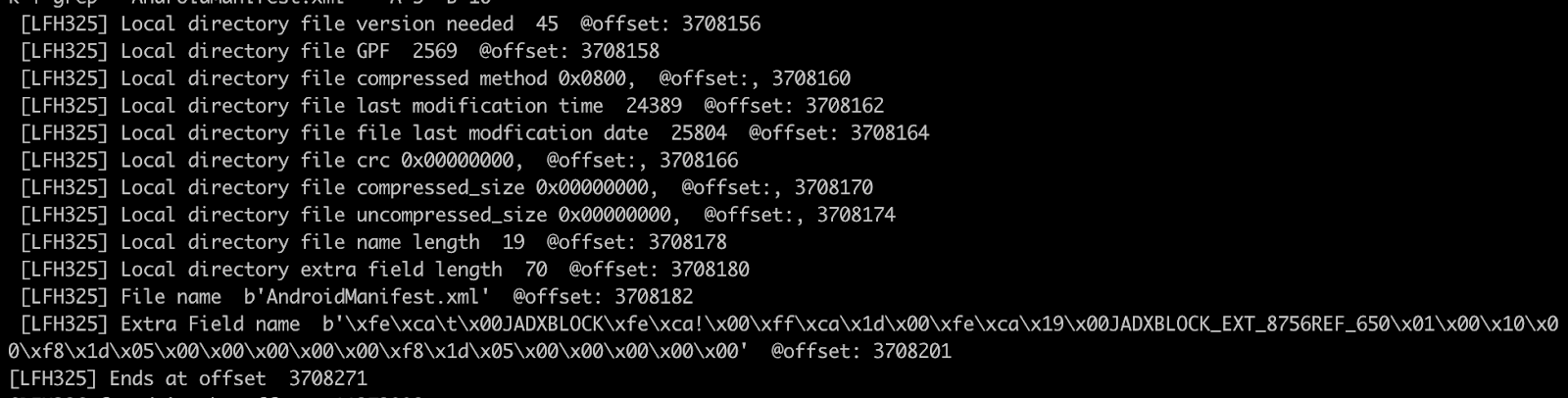
The malware’s technical prowess extends to evasive tactics, including ZIP manipulation of APK files and obfuscation of the Android Manifest with irrelevant permissions to thwart static analysis tools.
Much of its malicious code has shifted from the native to the Java layer, complicating reverse engineering efforts.
Using accessibility services, GodFather covertly installs its payload via a session-based dropper technique, tricking users into granting permissions under the guise of enabling app features.
Once permissions are secured, it communicates with its command-and-control (C2) server through Base64-encoded URLs, transmitting detailed user interactions captured via accessibility services.
Beyond virtualization, GodFather retains classical overlay attacks, placing deceptive screens over legitimate apps to steal credentials, including device lock screen PINs and patterns.

Its remote control capabilities are extensive, with commands like “setdata” for gesture manipulation and “phonelock” for overlay deployment, enabling attackers to navigate and exploit the device seamlessly.
The malware also targets a vast array of global apps, spanning banking, cryptocurrency exchanges, social media, and e-commerce platforms, aiming to harvest a wide range of personal and financial data from millions of users.
According to the Report, The implications of this attack are profound, as it erodes the trust between users and their mobile devices.
By turning legitimate apps into conduits for theft within an untrusted environment, GodFather challenges conventional security paradigms.
Its ability to evade detection through perfect deception since users interact with the real app in a compromised sandbox poses a critical threat to mobile security.
As this malware continues to evolve, it underscores the urgent need for advanced detection mechanisms and heightened user awareness to combat such sophisticated threats in the ever-expanding digital landscape.
Zimperium’s findings highlight a new frontier in mobile malware, urging immediate action from security experts and app developers alike to safeguard users worldwide.
Find this News Interesting! Follow us on Google News, LinkedIn, and X to Get Instant Updates


