

A massive data breach containing 149 million stolen login credentials left exposed online without password protection or encryption.
The database, contained 96 GB of credential data harvested through infostealer malware, affecting users of Gmail, Instagram, Facebook, Netflix, and thousands of other online services worldwide.
What Was Exposed
The unprotected database contained usernames, passwords, email addresses, and specific login URLs for accounts across social media platforms, streaming services, financial institutions, and government domains.

In a limited sampling, Fowler identified approximately 48 million Gmail accounts, 6.5 million Instagram accounts, 17 million Facebook accounts, and 3.4 million Netflix credentials among the exposed records.

The breach also included access to dating apps, OnlyFans accounts, cryptocurrency wallets, including 420,000 Binance logins, educational institution credentials from 1.4 million .edu addresses, and government account credentials from .gov domains across multiple countries.
Financial services, banking, and credit card login information also appeared throughout the dataset.
The exposed credentials were collected using keylogging and infostealer malware that silently harvested login information from infected devices.
These malicious programs spread through email attachments, fake software updates, compromised browser extensions, and deceptive advertisements.
Once installed, the malware captures passwords, steals browser cookies, scrapes clipboard contents, and intercepts login credentials before encryption.
The database discovered by security researcher Jeremiah Fowler, used sophisticated indexing to organise stolen data by victim and source, with unique hash identifiers to prevent duplicate records.
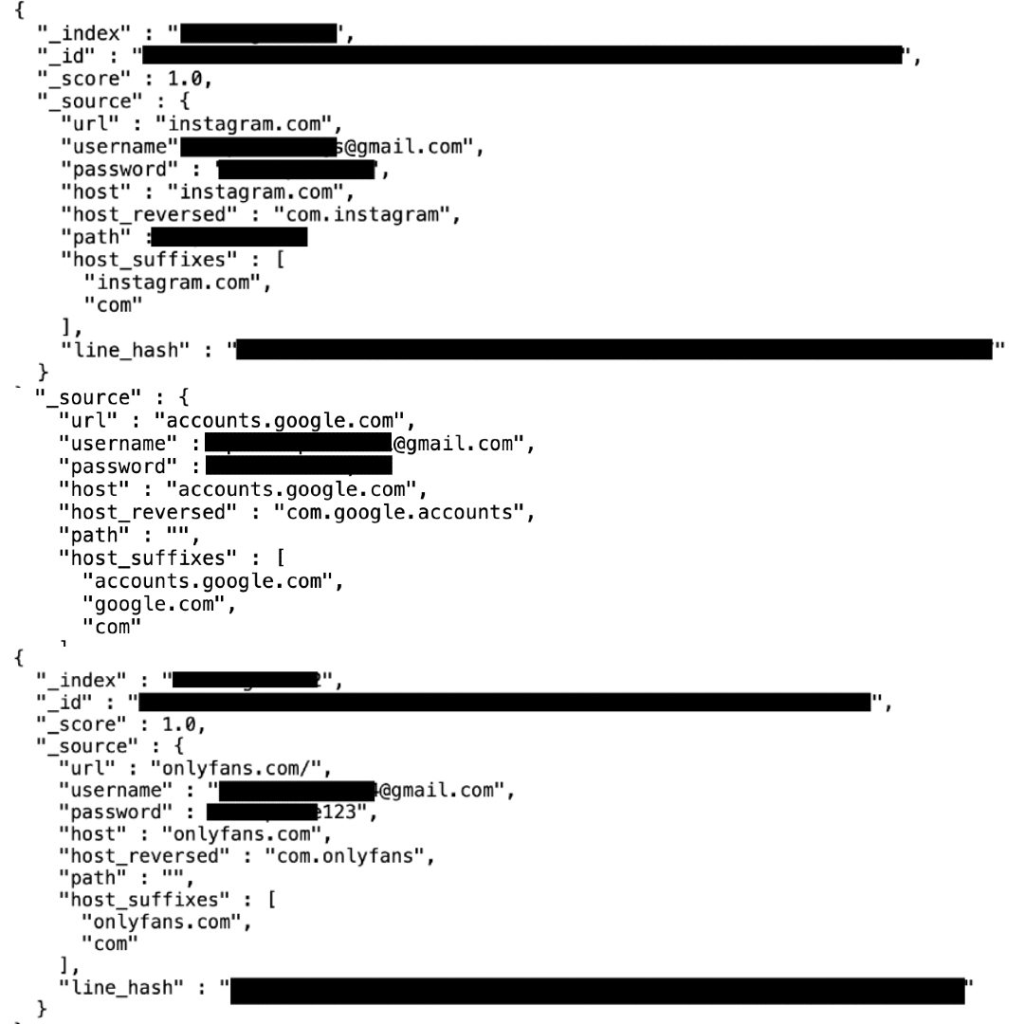
Disturbingly, the number of records continued to grow between the initial discovery and the nearly one month later restriction of access.
The exposure creates serious security risks, including automated credential-stuffing attacks, identity theft, financial fraud, and targeted phishing campaigns.
Criminals can use the stolen information to access email accounts, bank accounts, social media profiles, and entertainment services.
Government credentials pose national security risks through potential spear-phishing attacks or unauthorized network access.
Security experts recommend installing antivirus software immediately, as only 66 percent of U.S. adults currently use such protection.
Users should enable two-factor authentication on all accounts, use password managers to create unique passwords for each service, and regularly review login histories for suspicious activity.
Anyone who suspects a malware infection should update their operating system, run comprehensive security scans, and review app permissions and browser extensions.
Never reuse passwords across multiple platforms, and consider changing credentials if you use any of the affected services mentioned in this breach.
Follow us on Google News, LinkedIn, and X to Get Instant Updates and Set GBH as a Preferred Source in Google.


