
A sophisticated malware framework capable of screen control, browser artifact access, and User Account Control (UAC) bypass, highlighting how attackers are increasingly adapting open-source tools for real-world intrusions.
The attack chain revealed a carefully staged operation designed to blend into normal enterprise traffic.
Investigators observed suspicious infrastructure activity, host-level artifacts, and command-and-control (C2) communication patterns that, when correlated, exposed a full intrusion attempt rather than isolated anomalies.
Although attribution remains inconclusive, researchers assess the activity as suspected China-linked due to its use of Rshell-based tooling, Tencent-like API impersonation, and infrastructure overlaps.
TencShell is a customized implant derived from Rshell, an open-source Go-based C2 framework. While Rshell is intended for offensive security testing, attackers modified and repackaged it into a stealthy post-exploitation toolkit.
In April 2026, Cato CTRL detected and blocked an attempted attack involving a previously undocumented implant named TencShell, targeting a global manufacturing organization through a third-party connection at its India site.
The name “TencShell” reflects its dual nature, combining remote shell capabilities with C2 communication designed to mimic Tencent-style web services, helping malicious traffic appear legitimate.
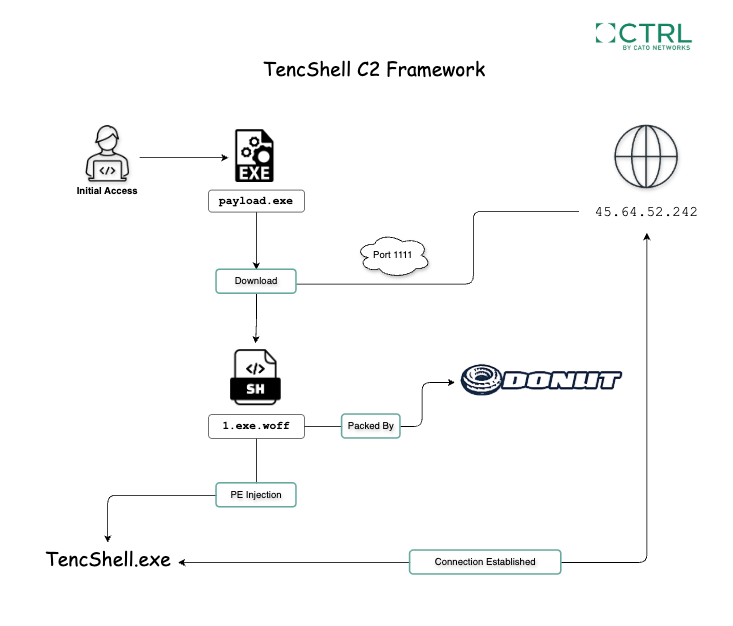
The infection chain began with a first-stage dropper, a lightweight executable that initiated the attack without revealing its full intent.
Screen Control and UAC Bypass
This dropper contacted attacker-controlled infrastructure and retrieved the next stage payload disguised as a .woff web font file.
Such files are commonly used by websites, making them an effective disguise for malicious delivery. In this case, the .woff resource actually contained Donut shellcode, a tool used to execute payloads directly in memory.
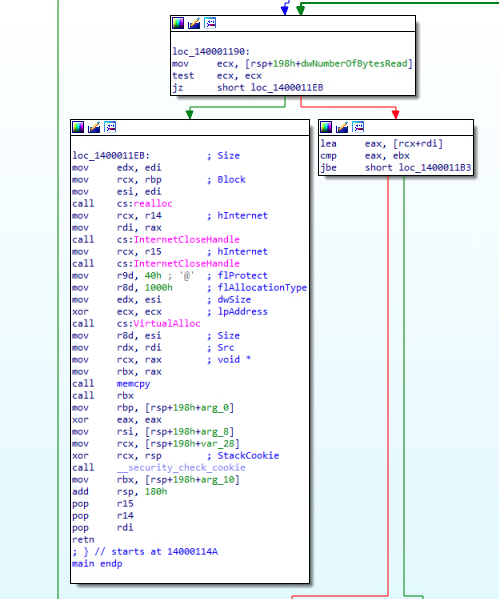
Once retrieved, the shellcode was executed reflectively within the same process. The malware allocated memory, injected the payload, and executed it without touching disk, reducing forensic visibility.
The Donut runtime then loaded the final payload, TencShell, entirely in memory. This technique allowed the attacker to bypass traditional file-based detection mechanisms.
After execution, TencShell attempted to establish communication with attacker-controlled servers using structured, web-like API requests.
These requests mimicked legitimate backend traffic, making detection more difficult. Security telemetry showed repeated use of Tencent-like URI patterns, reinforcing the idea that the communication design was intentional and part of a broader campaign.
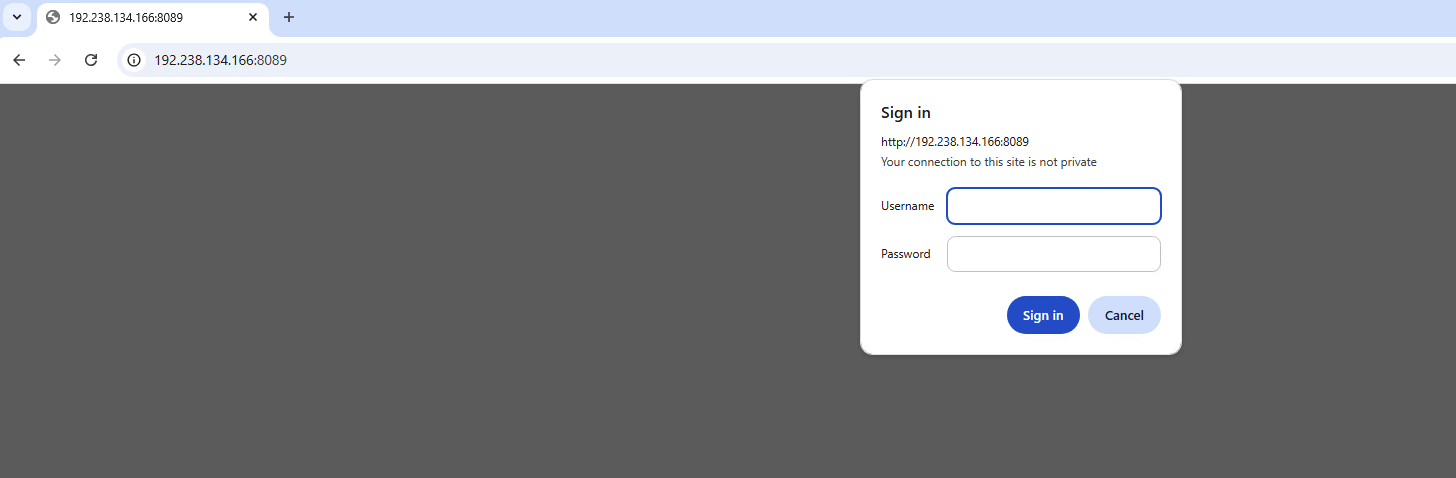
The C2 panel provides the operator-side interface used to manage infected clients and issue commands.
If successful, the malware would have provided extensive control over the compromised system. Capabilities included remote command execution, file access, process manipulation, and system profiling.
More advanced features enabled screen capture and interaction, allowing attackers to simulate mouse clicks and keyboard input.
The implant also supported browser data access, including potential extraction or cleanup of Chrome and Edge artifacts, which could expose sensitive session data.
TencShell further included proxying and tunneling features using SOCKS5, enabling attackers to pivot داخل internal networks and access systems not directly exposed to the internet.
It also supported in-memory execution of additional payloads, allowing operators to deploy further tools without leaving traces on disk. A built-in UAC bypass mechanism increased the likelihood of gaining elevated privileges.
Persistence was achieved through a Windows Registry Run key entry named “OneDriveHealthTask,” a value designed to appear legitimate during casual inspection. This ensured the malware could survive reboots and maintain long-term access if not detected.
Cato CTRL successfully blocked the intrusion before the attacker could establish a stable foothold. Detection was based on multiple indicators, including suspicious URLs, payload staging behavior, and the use of disguised web resources.
This incident highlights a growing trend where attackers repurpose open-source frameworks into powerful intrusion tools.
Rather than building malware from scratch, they adapt existing projects, add stealth features, and deploy them in targeted campaigns.
For organizations, especially those relying on third-party access, this underscores the risk of trusted connections becoming attack pathways and the importance of monitoring subtle, multi-stage attack behaviors.
Indicators of Compromise
| Hashes | Indicators |
|---|---|
| c3ecb90c9915daa23aec51f93ff8665778866f0592b2413578c8ba9708df6091 | 45.64.52.242 |
| 660af53acdc505f333f6d4f4269cec740a5eb05e41a4c7926742606b18f22d33 | 192.238.134.166 |
| 37facbbd0047c19f4efdea75ccb9e3ec793cb9b1d7846afa4fb8e900d6e9ed95 | 45.115.38.27 |
| 01dc3e7e673b4f2682f29b19ecabf9a6ec9c3042c9b1cfb39dbdddf1dda680ab | gin-tne-fahcesmukw.cn-hangzhou.fcapp.run |
| 750a707084839fe970266964957b8eaa7e25b4d9ca1050cd7ab19e4a2add707d | — |
| 12f76f48727916d6c05f53f8cd94915db5de5ffcbfa02c4807c27e090cfa47c1 | — |
| 4ae8de40153c66455d972e6e98fe06fb68db7301ba126557e96599527bc5509c | — |
| 1ba73df60e12b3feb8b5574e65cfceb6910460ab7fae2cf5554769fafdad049e | — |
| 5eff99959683480d2280c931e433af836adf6a8b7a8489b1af17cddcf480cf63 | — |
| 0fe91200a2bb4aed13b1a1ba4ec8fd4454566f5929ffed4f537d9a87c1bf1187 | — |
| 7f6bec5dd217151fcd03087a6e7ba1070f0fa603801fb128a4097076c9976d36 | — |
| ed6058f0b0735ba56b781dea39353625fcb56bc3e77bf2d26a648511d754d216 | — |
| 710539554f065fe9a0bf6a6e32d3ea73ab3c797a033f8bfef57ad929bcdf9195 | — |
| 79340e589a69f5dc204d4073341a07e98a588d0401d18f34991d14b71a475063 | — |
| 8363ff6bddfaf247318308f215ad53f3c77f218d4a6562b537aeaf7e9135d10f | — |
| df5f74e1e0e5b0a0748de2efd86358293b4d368d171a926af6f14880d55adb57 | — |
| b7a5192a90c14a9a36e5a3565fed46becffa88dbc719e8ee396a0c9d46f5dde4 | — |
| b77c8531ee45ffdfd63ef19aa1f1ae8b603b274f6951f7d8f4e725130bfca06d | — |
| 6de4da7919185f84212d02011e955530011b08c389408f2a012b81757c3d0c0f | — |
| 31635e4667eba1ba3588e1bc9c05d18a78d9693c801e5176e6cddf74e0d5bcc2 | — |
| d252aeabbf4cd9f336e83d1fa0042fcc2f74f45d4b8cbe2a8bfe790d4db0580d | — |
| 7170f3051cc9f4520e84f1ea3b599616d82be8e5087f19d8e2951fa6848924b3 | — |
| aaf49281b2f65390adc2e763af37fc4e3fe03b94af550927fc91141e0d6347db | — |
| 1d2e37b41d616ecb32b8bd2f2a52c792f1808fdc938574fc366d737b6f643c61 | — |
| 7abc129482ccdf787b35b92b7d5b7ff2478e72fe516f4ceca0c02e23a1d34314 | — |
| 147f86854690ba096f3797c623b66365d6adbf7140d7d7c3dcf746b83a4b6dac | — |
| 943f952652fbc16923c0519449feeee11698304dac51268d4e6065146dcad69e | — |
| 73c24bafba21f871cc9d28de92ee7e4b9f9c8ec337279c14c1facdb9feeb7af4 | — |
| 905ae6ac24225db221da346a1695e443ba4c57ea1c9066e8bac3e5fcb4156fc7 | — |
| 5c02115b3f090551393cca3ce91fe837727d1c4586164c580759eb94387dba10 | — |
| 12c6d0e603386b81751d95b32d1698d794c99343abb06d066b0f6060e8690aca | — |
| 1329be66458962dabfa20185c230439c57d32b90a20de791afdce9c15226fccb | — |
| 2a010bd1061e11da6f5cf951a3ebd23503916e159e3d486cc722b4b8b4a099c9 | — |
| 746c4cd5fe3a8edd37d4b37b23af64b1086b5ea7c1ab0bcfd9c47e4e2e986518 | — |
| 5ef76098be5ed1559b71ebd8d29cb32c1825991824051d8a641746e08bf9e1b3 | — |
| 5ac484ec0846fff8f099b234dfd1602864300da8c68b01822c6036eb709fc584 | — |
| 976f890ab0ee8aac613da2458d0069f00d0ebabc76f1fceb63e05b2113f6a449 | — |
| 065f5a605ac04d5f443089b65aa1393414ee38c4ee8f780e7d78c06b46504ae4 | — |
| cdb9d76093d0938f30d93bcce4f58b13b4b21c9188eea387c6d9ec6f4cb4aad4 | — |
| b5e0866368873b4c5eacc6df01114fc749cc32f507e9324bc6d763999371777d | — |
| 75b36769f0d36c05be74d41610d4af3f73397983ba746f8c569de6e23ee130e0 | — |
| 64944d2a6129631ff675c6dcfdd57a7e99a1e4dc41802cbd0eabcef3eb3e81c3 | — |
| 921e41190fed3437ca7a0d53e7590ccb0f1ab5d667532778fbda5664c657d712 | — |
| 5d19c07e3fb7ac4ff56a23f6e658d691f381442b1db2f8c5f345563c1cdc8998 | — |
| 3ffe3a6f328a6459624bd93edd206e2256b2753e17137cbc1530b91fa325ecac | — |
| 2012ff4d7c36e42d256d78c265f242d29a305af66686866c581ee96c2b05d5a6 | — |
| fdb5eca8f00e1802f3c9c0ca79f93a8419353f4ef2a0606bec39c4497da91035 | — |
| 065c54893e4777d52be6b7bf30b832d5ffd9d96fd178642a5828a364c0e904a0 | — |
| 8f5f4408998bbfc6987d9cb39216071c57c7b087f2867a504e83414ee5cfcd08 | — |
| 06776635e386d536b1b0fc21e6aa41865d44d83dae5e9b109868d71ca309eeaa | — |
| 94f67819c0f7e200abf4b39fad2fd6fef227da15d939f21a657d1717ca2b3014 | — |
Note: IP addresses and domains are intentionally defanged (e.g., [.]) to prevent accidental resolution or hyperlinking. Re-fang only within controlled threat intelligence platforms such as MISP, VirusTotal, or your SIEM.
Follow us on Google News, LinkedIn, and X to Get Instant Updates and Set GBH as a Preferred Source in Google.


 bypass.)