The Tycoon 2FA phishing kit represents one of the most sophisticated threats targeting enterprise environments today. This Phishing-as-a-Service (PhaaS) platform, which emerged in August 2023, has become a formidable adversary against organizational security, employing advanced evasion techniques and adversary-in-the-middle (AiTM) strategies to bypass multi-factor authentication protections.
According to the Any.run malware trends tracker, Tycoon 2FA leads with over 64,000 reported incidents this year, making it a critical concern for security teams managing Microsoft 365 and Gmail deployments.
How Tycoon 2FA Operates
The Tycoon 2FA campaign utilizes a reverse proxy server to host deceptive phishing pages that meticulously mimic legitimate login interfaces.
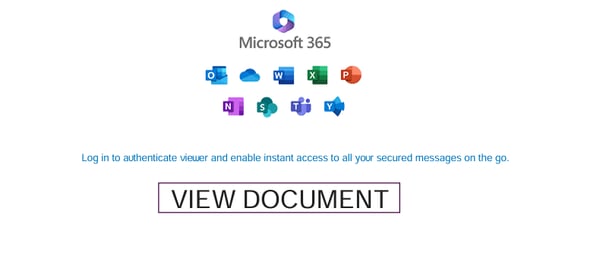
This adversary-in-the-middle approach allows attackers to capture user credentials and session cookies in real-time while bypassing two-factor authentication protections.
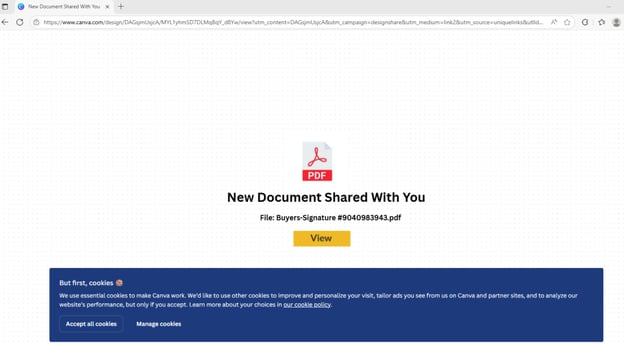
The attack unfolds through a sophisticated multi-stage process, beginning with phishing link distribution through PDFs, SVG files, PowerPoint presentations, emails, and malicious websites.
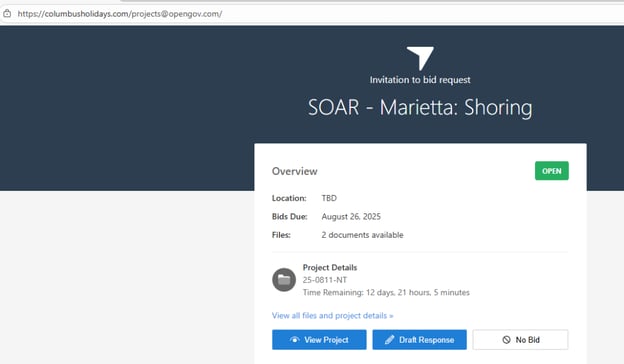
Attackers have also begun exploiting Amazon S3 buckets to host fake login pages, as well as leveraging platforms like Canva and Dropbox for credential harvesting.

What makes Tycoon 2FA particularly dangerous is its ability to dynamically generate fake login pages based on responses from legitimate Microsoft servers.
When a victim enters their credentials, the attacker receives this information immediately and uses it to send a new login request to Microsoft’s actual servers.
The phishing page then updates dynamically based on the server’s response, creating a seamless experience that closely mimics the genuine login process.
This technical sophistication dramatically increases the likelihood of successful credential theft, even from security-aware users.
Evading Detection and Analysis
Tycoon 2FA incorporates multiple layers of anti-detection mechanisms designed to prevent security researchers from analyzing the phishing kit.
The initial HTML page includes a JavaScript file with a base64-encoded payload. This payload is compressed using the LZ-string algorithm.
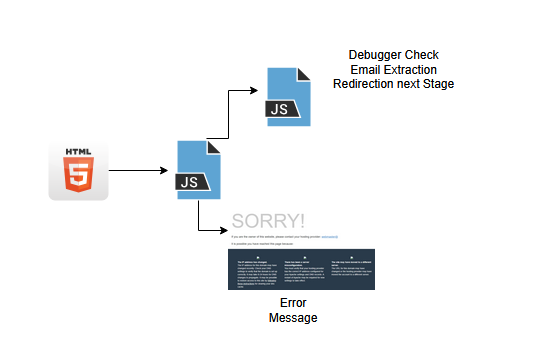
The attack begins with pre-redirection checks including domain verification, CAPTCHA challenges, bot detection, and debugger identification.
These defenses ensure that only legitimate targets fall victim to the phishing pages, while automated security scanners are redirected to benign websites.
The malicious payload employs a technique known as the “DOM Vanishing Act” to avoid detection by security tools. The JavaScript code removes itself from the Document Object Model after execution, leaving no visible trace for inspection-based security solutions.
This code utilizes multiple obfuscation techniques including base64 encoding, XOR ciphers, and CryptoJS encryption to conceal its functionality.
Additionally, the script actively monitors for debugger presence by checking for specific key presses that activate browser debugging modules and tracking how long debugging tools have been active.
Multi-Factor Authentication Bypass
The true power of Tycoon 2FA lies in its ability to capture multi-factor authentication codes in real-time. When a victim enters their credentials on the phishing page, the attacker acts as a man-in-the-middle, transmitting those credentials to the legitimate Microsoft server.
The victim’s browser then receives a response requesting their MFA code. The phishing kit relays this MFA code directly to Microsoft’s servers, effectively bypassing this critical security layer and granting the attacker full access to the compromised account.
The attack incorporates organization-specific intelligence gathering by analyzing error messages from the login process.
Organizations employing Microsoft 365 and Gmail should implement conditional access policies that require authentication from trusted locations only.
This reverse-engineering capability allows threat actors to understand an organization’s unique security policies and email configurations, enabling highly targeted subsequent phishing campaigns against additional high-value accounts.
Furthermore, the final payload collects sensitive system information including user agent strings and geolocation data, which is encrypted using CryptoJS and transmitted to attacker-controlled command-and-control servers.
Additionally, deploying advanced threat detection systems capable of identifying phishing pages and monitoring for suspicious authentication patterns is critical.
User awareness training focusing on credential phishing and the risks of entering MFA codes on unfamiliar pages should be prioritized, alongside implementation of passwordless authentication solutions that eliminate the threat entirely.
Follow us on Google News, LinkedIn, and X to Get Instant Updates and Set GBH as a Preferred Source in Google.