.webp?w=1920&resize=1920,0&ssl=1 "The Role of Cybersecurity in Tampa Bay’s Growing Tech Scene")

Tampa Bay, known for its picturesque beaches and vibrant culture, is witnessing a remarkable transformation as a burgeoning tech hub in Florida. The area has attracted numerous startups, established companies, and tech giants, making it a focal point for innovation. However, as the tech scene expands, so does the need for robust cybersecurity measures. In an era where cyber threats are increasingly sophisticated, organizations must prioritize their cybersecurity strategies to ensure their operations remain secure. This article explores cybersecurity in Tampa Bay and what every company must implement to protect their digital assets and foster a safe environment for technological growth.
The Growing Importance of Cybersecurity
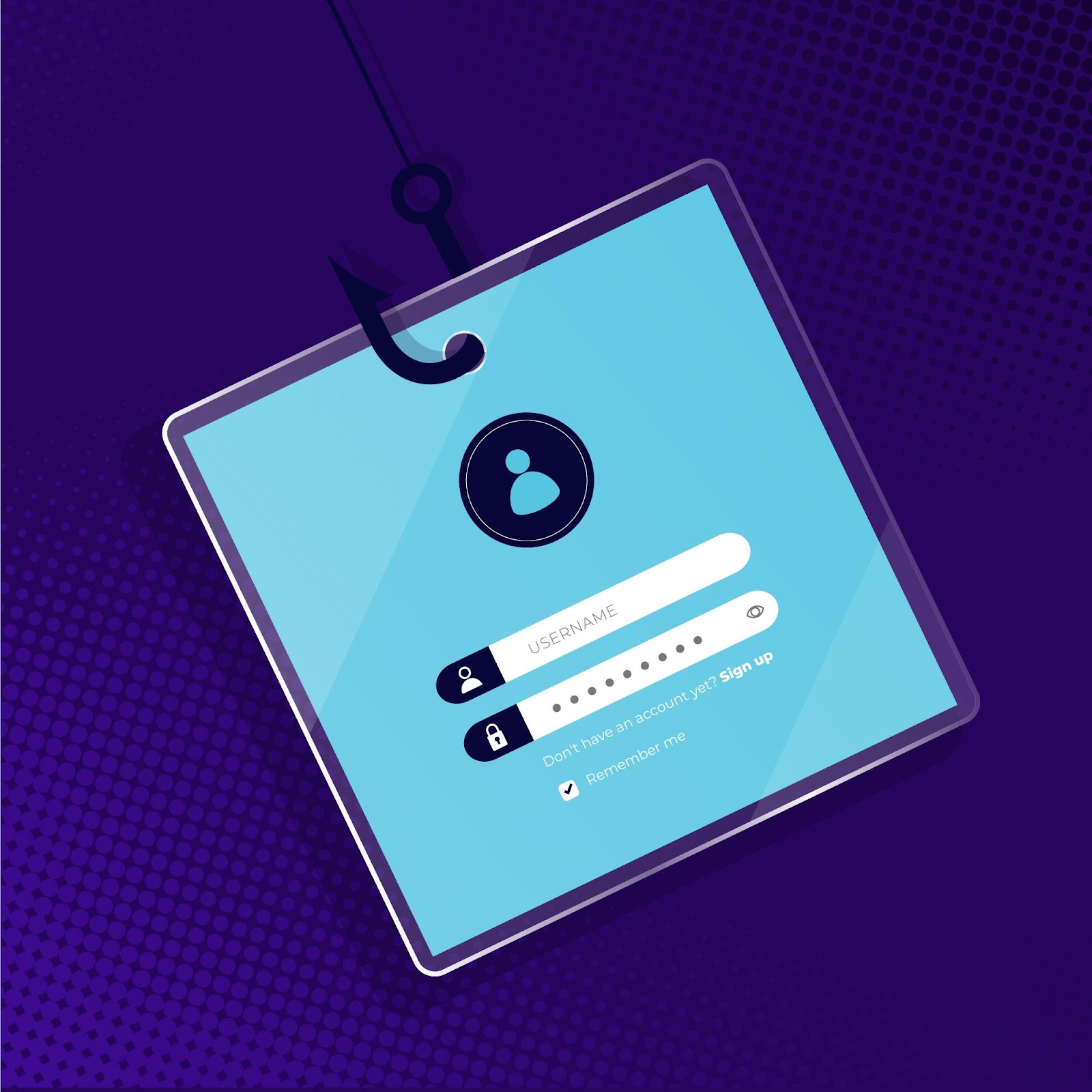
1. Protection Against Phishing Attacks
Phishing remains one of the most prevalent threats facing organizations today. This tactic involves tricking employees into disclosing sensitive information through seemingly legitimate emails. To mitigate this risk, companies should adopt several defensive strategies:
1. Comprehensive Training: Regular cybersecurity training sessions can help employees identify phishing attempts. This training should cover:
– Recognizing suspicious email addresses.
– Understanding the signs of phishing emails, such as poor grammar or urgent messages requesting sensitive information.
2. Utilization of Email Filtering Solutions: Solutions like ThreatLocker can help filter out potential phishing emails before they reach an employee’s inbox.
3. Email Two-Factor Authentication (2FA): Implementing 2FA adds an additional layer of security. Even if a user’s credentials are compromised, a second form of verification—such as a text message code—can thwart unauthorized access.
2. Ransomware Protection Mechanisms
Ransomware is a catastrophic threat that can cripple a company’s operations. To defend against ransomware attacks, organizations should consider the following strategies:
1. Regular Software Updates: Keeping all software, including operating systems and applications, updated is crucial. Updates often contain security patches that protect against known vulnerabilities.
2. Robust Backups: Local backups are vital; however, keeping them on the same Microsoft Server Domain can expose them to ransomware. Companies should maintain:
– Offsite backups: Store backups in a separate location, away from the primary network. Cloud storage solutions can provide an additional layer of security.
– Incremental backups: Regularly scheduled incremental backups ensure minimal data loss in case of an attack.
3. Endpoint Protection Solutions: Use advanced endpoint protection solutions that offer real-time threat detection and neutralization. These systems analyze behavior patterns and can intercept threats before they escalate.
3. Addressing Firewall Vulnerabilities
Firewalls are a critical line of defense against external threats. However, vulnerabilities—such as the recent Sonic Firewall vulnerability (CVE-2024-40766)—can compromise their effectiveness. Companies should take proactive measures to secure their firewalls:
1. Regular Vulnerability Assessments: Conduct frequent assessments to identify and remediate security weaknesses in firewall configurations. This process involves:
– Scanning for unpatched vulnerabilities.
– Ensuring that firewall rules are correctly set up and enforced.
2. Enhanced Configuration: Properly configuring firewalls is essential. Organizations should:
– Restrict access to only necessary ports and protocols.
– Implement logging to monitor incoming and outgoing traffic for unusual activity.
3. Investing in Next-Generation Firewalls (NGFW): These advanced firewalls combine traditional firewall capabilities with intrusion prevention systems, deep packet inspection, and application awareness.

4. Establishing a Comprehensive Cybersecurity Policy
Developing a robust cybersecurity policy that outlines the organization’s security protocols and responsibilities is crucial for fostering a culture of security awareness. Key elements of this policy should include:
1. Incident Response Plan: Create a comprehensive plan detailing the steps to take in the event of a cyber incident. This plan should:
– Define roles and responsibilities for incident response.
– Include contact information for key personnel and external incident response teams.
2. Regular Security Audits: Conduct frequent security audits to ensure compliance with the established cybersecurity policy and to identify areas for improvement.
3. Data Classification and Handling Procedures: Establish procedures for classifying data according to sensitivity levels and specify how each classification should be handled and protected.
As cyber threats continue to evolve, companies must take proactive steps to fortify their cybersecurity defenses. By implementing strategies to combat phishing, securing backups against ransomware, addressing firewall vulnerabilities, and establishing comprehensive policies, organizations can significantly reduce their risk and protect their sensitive data. As businesses navigate the digital landscape, prioritizing cybersecurity will not only shield them from current threats but also instill confidence in customers and stakeholders alike. Remember, an investment in cyber defense is an investment in the future of your organization.







.webp?fit=1600,911&ssl=1&description=The+Role+of+Cybersecurity+in+Tampa+Bay%E2%80%99s+Growing+Tech+Scene)