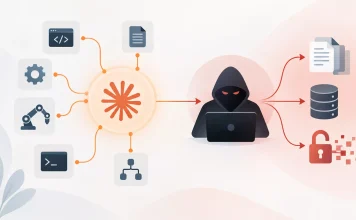
The revelation that commercially available FlexiSPY spyware was clandestinely installed on devices belonging to Kenyan filmmakers while in police custody has ignited fresh concerns over press freedom and governmental overreach.
Forensic analysis conducted by the Citizen Lab at the University of Toronto confirmed that two of the filmmakers’ phones were infected with the intrusive software on or around May 21, months after the devices were seized by Kenyan authorities during an arrest on May 2, Citizen Lab senior researcher John Scott-Railton told the Committee to Protect Journalists (CPJ).
On May 2, police arrested documentarians MarkDenver Karubiu and Bryan Adagala, cinematographer Nicholas Wambugu, and graphic designer Christopher Wamae at their Nairobi studio, accusing them of publishing false information related to a BBC documentary titled “Blood Parliament,” which alleged involvement of Kenyan security personnel in the June 2024 killings of protesters.
Although all four were released without charge on May 3, law enforcement retained four phones, a tablet, computers, and storage devices. These items were not returned until July 10, according to the filmmakers’ lawyer, Ian Mutiso.
When the filmmakers finally regained access to their devices, Citizen Lab experts discovered evidence of FlexiSPY installation.
The spyware, marketed for parental and employer surveillance, enables operators to monitor messages, emails, and social media; record calls; track locations; capture passwords; download media; and even eavesdrop via device microphones.
Scott-Railton warned that such capability “gives the operators silent, secret access to all sorts of private business and information about their journalism,” and noted Citizen Lab’s analysis remains ongoing.
Alarming Implications for Press Freedom
The installation of spyware on Kenyan journalists’ devices in state custody represents an egregious violation of privacy and professional confidentiality.
“This is outrageous and must be explained by authorities without delay,” said Angela Quintal, CPJ’s Program Director.
“Citizen Lab’s forensic analysis shows that journalists’ devices are not safe in the hands of Kenyan law enforcement agencies, which is alarming and further stains the country’s once-lauded reputation for press freedom.”
By targeting journalists after seizure of their equipment, security officials could potentially access unpublished footage, sources’ communications, and sensitive investigative materials—jeopardizing both journalistic integrity and personal security.
The filmmakers have appeared in court multiple times without formal charges, as authorities sought extensions for their investigations.
A hearing slated for September 10 was adjourned to September 15, during which Mutiso submitted Citizen Lab’s findings as evidence.
Calls for Accountability
The Kenyan police have yet to address CPJ’s requests for comment via email to the police and interior ministry, and messaging to Interior Minister Kipchumba Murkomen and Police Spokesperson Muchiri Nyaga yielded no immediate responses.
FlexiSPY’s own corporate channels offered only an automated notice citing an “unmanned inbox.”
Civil society and press freedom advocates are demanding a full and transparent inquiry into how and why state actors deployed commercial spyware against uncharged filmmakers.
Such actions could constitute unlawful surveillance and raise serious questions under Kenyan law and international human rights standards.
Observers stress that without credible explanation and remedial measures, trust in law enforcement and the judiciary will only erode further.
As the court proceedings resume on September 15, the filmmakers and their legal team are poised to challenge both the original allegations of false publication and the covert surveillance breach.
The case stands as a stark reminder of the vulnerabilities journalists face—even in custody—and underscores the urgent need for robust legal safeguards to protect press freedom in Kenya and beyond.
Find this Story Interesting! Follow us on LinkedIn and X to Get More Instant Updates.