

The cybersecurity firm Group-IB, one of the world’s most prominent companies, has identified Classiscam as a potential threat. This recent wave was detected by Group-IB in March 2022 that has been causing a lot of concern.
Singapore is currently experiencing a major credit card thieving campaign, in which angry sellers on classified sites are being tricked into divulging their credit card details via elaborate phishing emails.
Additionally, scammers will even attempt to use valid OTPs on the actual bank’s platform in order to transfer the funds directly to their accounts.
Among the new countries that the criminal operation is targeting, Singapore is one of them. While this clearly demonstrates that this scheme is still evolving and developing, which is not a good sign.
Operational Expansion
Classicscam is a platform that can be used for a wide range of scams as a service that is fully automated. Scammers target people who are using classified sites to sell or buy items offered on those pages, in the hope of making a profit.
There are also several other targets of this malicious scheme, including:
- Banks
- Cryptocurrency exchanges
- Delivery companies
- Moving companies
To promote and coordinate the operation of the project, Telegram channels are used. The total amount of damages caused by this malware has been estimated at over $29 million since its launch in 2019.
In order to run this criminal network effectively, there are 38,000 registered members who receive around 75% of the stolen money. Additionally, platform admins receive a 25% cut of the total revenue that is generated by their platform.
Graph is a Transparent Medium
There were previously a number of countries where Classicscam was seen:-
- Russia
- Europe
- The United States
In recent months, however, the site has been updated with the capability of creating phishing sites that spoof famous classified sites in Singapore.
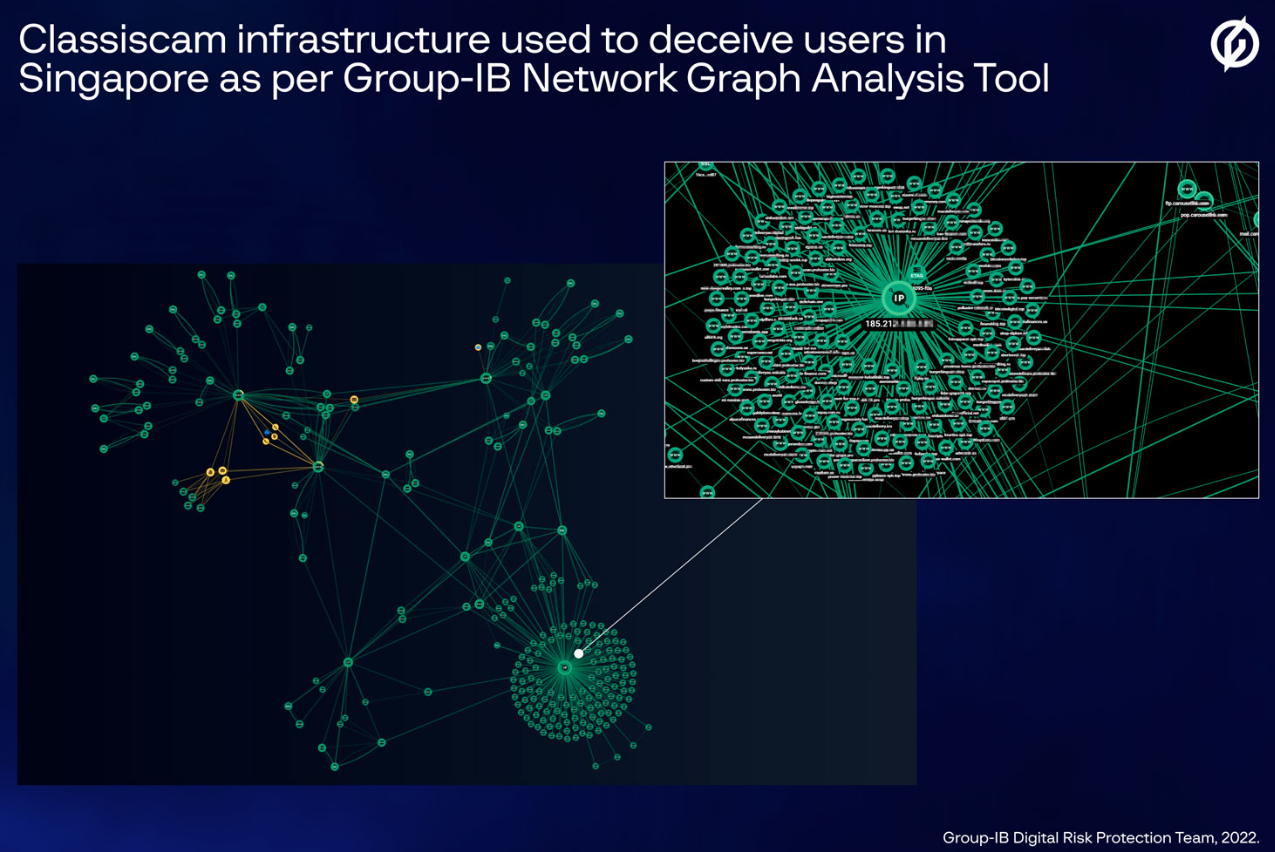
The Group-IB team of expert analysts was able to discover the group of interconnected websites that these scammers were using through their patented Graph Network Analysis tool.
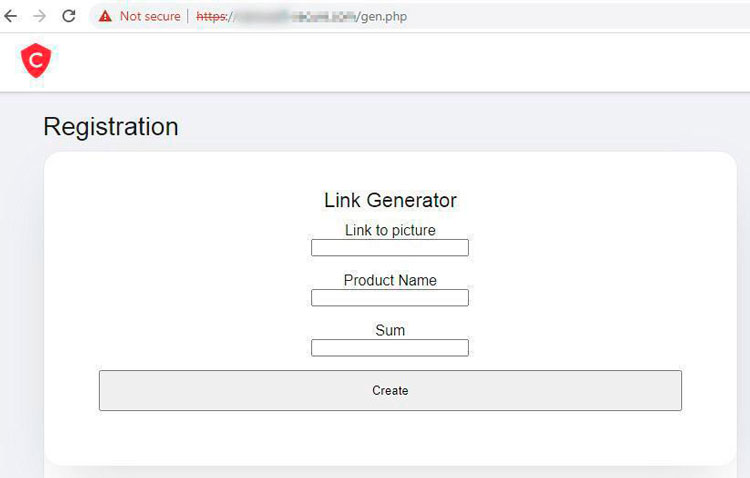
It has been determined that 18 domains were used for this particular campaign. By using Telegram bots and using these domains, phishing sites used to be created utilizing these domains on a regular basis.
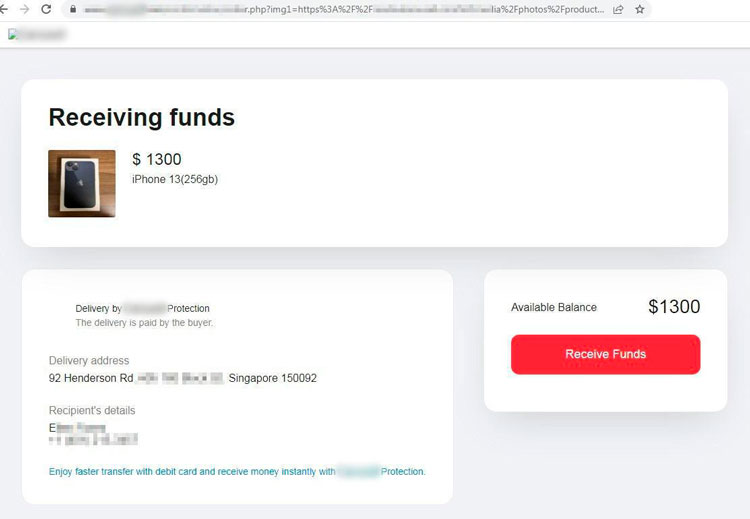
Fraudsters approach sellers and declare that they are interested in purchasing an item. Finally, send them the phishing website URL that you generated using the generator.
Clicking on this link will direct the seller to a website that appears to be part of a classified listing. For the seller to receive funds for their purchase, they must enter their full card information at this point.
A fake OTP page will then be displayed to the victim in order to get the OTP. Now, here using a reverse proxy, the Classicscam service logs the scammer onto the real bank portal.
Before making any purchases or entering sensitive information into any of the platforms that facilitate the exchange of financial products, users are advised to familiarize themselves with the provided features and options.
Secure Microsoft Office 365 Azure AD Conditional Access – Download Free Ebook







