

Researchers detected a dump containing details for nearly 400,000 payment card records uploaded to a popular darknet card shop on April 9.
The database was comprised almost entirely of the payment records related to banks and financial organizations in South Korea and the US.
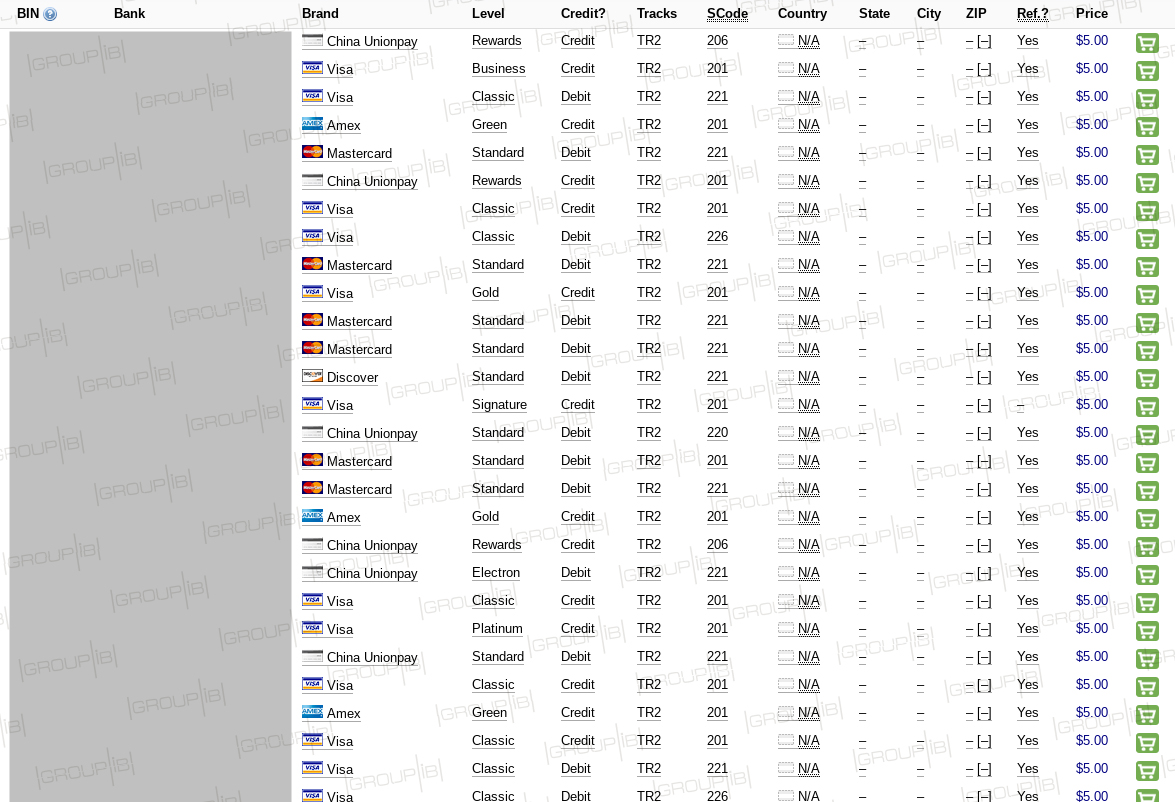
“During cardshop monitoring our Threat Intelligence system has detected a database under the name “SCARFACE-DISCOUNT-SALE-5USD (fresh skimmeD): USA (STATES MIX + few EU) TR1 + TR2/TR2, VALID 30-40%, uploaded 2020-04-09 (NON-REFUNDABLE BASE)” released and put up for sale on April 9.”
“Joker’s Stash – the infamous underground marketplace – put a USD 1,985,835 price tag on the set, at USD 5 apiece, and announced that dump had 30-40% valid rate” Group-IB told GBHackers on Security.
Records Gathered from the Dumb
American card dumps have traditionally been most commonly traded in the dark web, but the South Korean payment card details are a very rare commodity in the underground.
- The total number of records exposed is 397,365.
- Roughly 49.9% (198,233 items valued at USD 991,165) were from South Korea’s banks and financial organizations.
- 49,3% were related to US banks and financial organizations.
- Database of the credit and debit card details mainly contains Track 2 information including a magnetic stripe of a card, which includes the bank identification number (BIN), the account number, expiration date and may also include the card verification value (CVV)
Starting from 2019 we have reported several incidents about the leaked data in Dark web and card data’s became the second most popular target in the underground by the number of massive abnormal spikes in their sales, surpassed only by US-issued dumps – all-time “champion” on this market.
Also, a number of instances originating from APAC, such as the sale of the record-breaking database holding more than 1.3 million credit and debit card dumps of mainly Indian banks‘ customers in October 2019.
These card dumps do not necessarily get compromised in a card-issuing country, the data can be snatched when a card owner travels overseas to a country where advanced payment security measures, such as EMV, are not widely implemented, and uses an infected Point-of-Sale (POS) terminal.
The Track 2 data (also referred to as card dumps) is used for card-present transactions and usually comes from infected POS terminal, from ATM skimmers or breached merchant’s payment system. However, in this case, the source of the stolen data remains unknown.
“Even though there is not enough information in this dump to make online purchases, fraudsters who buy this data can still cash out stolen records,”
“If a breach is not detected promptly by the card-issuing authority, crooks usually produce cloned cards (“white plastic”) and swiftly withdraw money via ATMs or use cloned cards for illicit in-person purchases. says Shawn Tay, senior threat intelligence analyst at Group-IB.
Researchers believe that this dumb of the data can be the biggest sale of South Korean records of credit and debit card details on the dark web in 2020, which contributes to the growing popularity of APAC-issued card dumps in the underground.
There is no clear evidence of the origin of this data. Researchers from Group-IB has informed proper authorities in South Korea and the US and closely work with them.







