Sunday, October 18, 2026

Hackers Using Android Malware to Compromise Diabetic Patients Android Devices To Send Premium SMS

A researcher from Fortinet discovered a new Android malware via an application called “Treatment for diabetic” that targeting diabetic patients Android devices.

It also sends a premium SMS to phone number 5554 in between providing medical information about this condition by the users of this Android app.
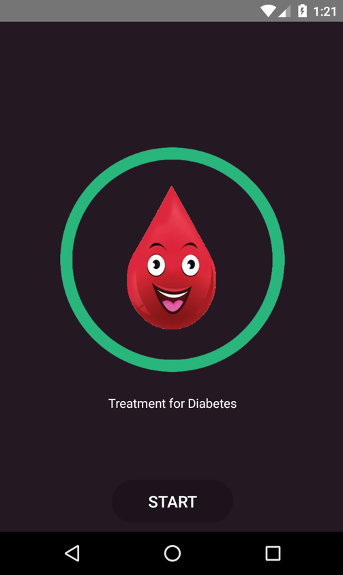
A malicious app posed a diabetic recource

The app provides documentation on the different forms of diabetes and its diagnosis, facts and myths, the symptoms of diabetes, information about treatment and insulin, etc.

Axelle Apvrille from Fortinet dig deep into the app and found that the malicious application requests permission to send this SMS message in the manifest, which completely suspicious activity when it comes to diabetes based application.
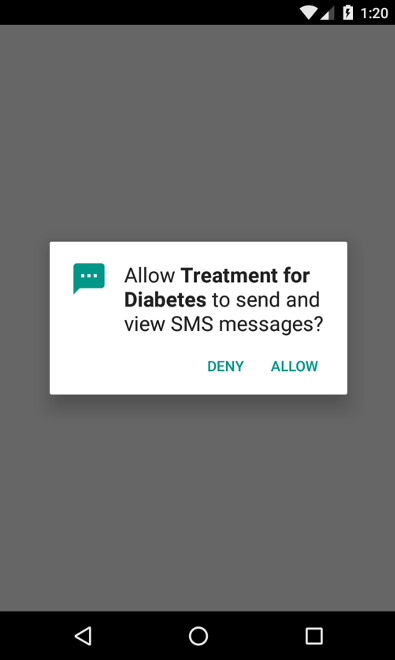
Request for SMS permission in the manifest

The app also checks whether the targetted Android app has running in Android 6.0 and beyond and check whether the permission is present or not, if not, it requests the permission.
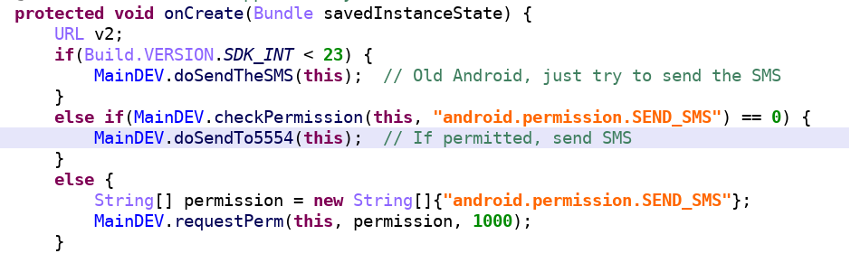
Code for managing SMS permission request

According to Fortinet research “Sending an SMS only occurs once. Once the routine has run, the code inserts the value was into the field was of table1 in movieplayer.db.”

” Who is behind the phone number 5554 receiving the SMS message? It looks like a premium-rate SMS, typically used by malicious Trojan dialers to steal money from a victim, but we do not know the country, its cost, or even if it is still active.” Axelle said.

Android users also advised checking before install any medical-related apps to avoid such risks.

IOCs

sha256: cf661506978f088f276a5a5bc4f0ea71101f99941840dd0864b2068ee2eb2271

Also Read: CallerSpy Android Malware Advertised as Chat App Steals Call Logs, SMS, Contacts & Files on the Infected Device

Balaji
Balaji
BALAJI is an Ex-Security Researcher (Threat Research Labs) at Comodo Cybersecurity. Editor-in-Chief & Co-Founder - Cyber Security News & GBHackers On Security.

Hot this week

How To Access Dark Web Anonymously and know its Secretive and Mysterious Activities

What is Deep Web The deep web, invisible web, or...

How to Build and Run a Security Operations Center (SOC Guide) – 2023

Today’s Cyber security operations center (CSOC) should have everything...

Russian Hackers Bypass EDR to Deliver a Weaponized TeamViewer Component

TeamViewer's popularity and remote access capabilities make it an...

Web Server Penetration Testing Checklist – 2026

Web server pentesting is performed under three significant categories: identity,...

ATM Penetration Testing – Advanced Testing Methods to Find The Vulnerabilities

ATM Penetration testing, Hackers have found different approaches to...

Hackers Use ConnectWise SkyKick Credentials to Access Microsoft 365, Halting Cloud Backups

Attackers abused compromised ConnectWise Cloud Backup credentials to access...

Anthropic’s Claude AI Uncovers Origins of NSA-Provided Cryptographic Keys After 25 Years

Anthropic says an internal Claude research model reconstructed how...

OpenBSD Kernel Flaw Dating Back 37 Years Enables Local Privilege Escalation to Root

A newly disclosed OpenBSD kernel exploitation chain combines a...

GhostAction Hackers Hide Credential-Stealing Malware in Fake Font Files Across 94 GitHub Repositories

GhostAction attackers have expanded their GitHub credential theft campaign...

SideCopy Hackers Target Indian Organizations With ReverseRAT Malware to Steal Data

Indian authorities have warned that SideCopy hackers are targeting...

New GhostBat Android Malware Targets 60 Banking and UPI Apps to Steal PINs

A new GhostBat RAT variant targets 60 Android financial...

New ROMULUS Malware Platform Uses Six Servers to Deliver Multiple Malicious Payloads

ROMULUS, a shared ClickFix delivery platform operating across six...

Related Articles

Recent News


